












The Coffee Bean Story

The Coffee Bean Story

This is the story of how the humble coffee becomes a world celebrity. It’s not about the Labrador named Coffee Beans attached to the Sheriff’s Department sniffing drugs and bombs. It’s about “the” coffee beans we are familiar with. It’s about the fragrant aroma that stimulates our senses in the morning. The tingling sensation we get when we take the first sip in the morning. How we manage to get an extra boost of energy whenever we feel tired and sleepy. Let us take some time to ponder the processes the coffee beans have to go through before it can be marketed.

Processing The Coffee Beans

After the coffee berries have been harvested, it needs to undergo a process where the flesh of the coffee berries is removed. The coffee berries are placed in special machines separating the flesh from the seed. This coffee seed is commonly called “coffee beans”. The coffee beans will now undergo a fermentation process for a period of time. This process is done in order to remove the slimy mucilage coating the coffee beans.

After the coffee beans have undergone the mandatory fermentation, they are thoroughly flushed with clean water. This process is to remove the foul smelling residue due to the fermentation process and the waste water is a main cause of pollutant.

The coffee beans are then dried under the sun or by machines, until the moisture level is about 10% before they can be packed for storage.

Another method of getting to the coffee beans without undergoing the fermentation process is to dry the whole berry in the sun. It normally takes about 10 to 14 days to complete the process with constant raking of the coffee beans to prevent mildew from forming. This method is popular and widely used by coffee producers where water is scarce. The dried flesh is then physically removed leaving only the coffee beans.

The dried coffee beans is then sorted and graded before they can be stored or shipped to buyers. At this stage, the coffee bean is called green coffee beans.

Sometimes the coffee beans will undergo an additional aging process. The reason for this is because when coffee was first introduced into Europe, the coffee beans have undergone a journey of about six months. Europeans have already developed a preference for this taste and therefore to simulate the taste, the coffee beans are further aged.

Roasting The Coffee Beans

Roasting is the final process the coffee beans have to undergo before they are commercially marketed. It is also possible to purchase un-roasted coffee beans that you can personally roast them yourself.

When the coffee beans are subjected to heat, there’s a chemical reaction happening within the coffee beans where the sugar and acid will begin to react releasing its aroma. The coffee beans will turn darker due to caramelized sucrose. When this happens, the coffee beans are quickly cooled to prevent damage to the coffee beans.

When roasting the green coffee beans, a lot of carbon dioxide is released as a by-product. The carbon dioxide helps to “seal” the coffee beans from loosing its flavor and aroma. Depending on how the coffee beans are stored, it may take some time before the optimum peak flavor. After reaching its peak, it will start loosing its flavor again.

If you are trying to roast your own coffee beans at home, be aware that you may not be successful during the first few times. You might over-burn your coffee beans during your first few tries. Never be discouraged, but try until you get the taste and flavor that appeals to you. Remember to process in small amounts to maintain freshness of your coffee.

Grinding The Coffee Beans

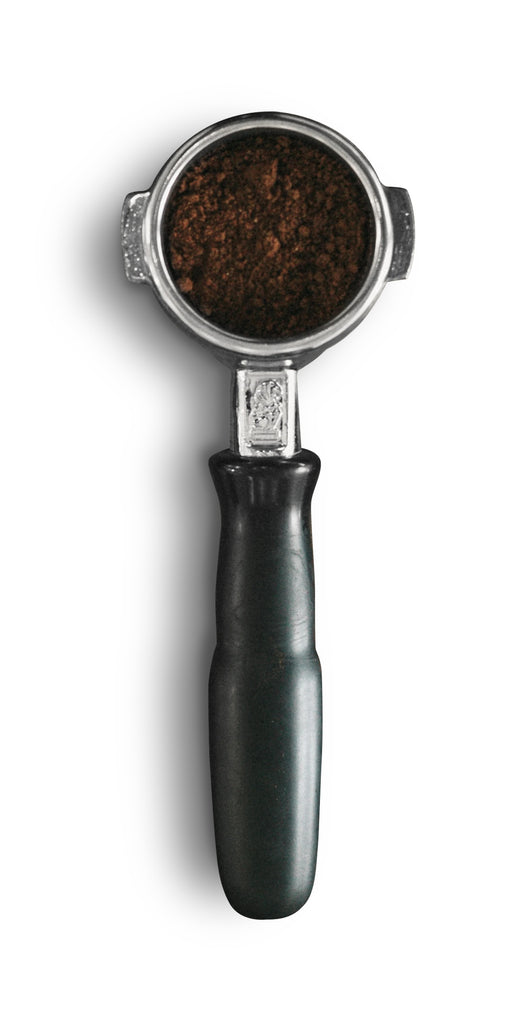
Before the roasted coffee beans can be used, you need to grind the coffee beans first. The coarseness of your coffee depends on your preference and the type of coffee-brewing method. It can range from coarse to very fine as in the Turkish grind. For example, if you’re using a percolator, a course coffee powder is suitable but if you are using an Espresso machines, an extra fine coffee powder is required.

Conclusion

The coffee beans have to undergo a string of processes before it can be consumed. The final flavor of the coffee depends on the journey the coffee beans take in order to reach its final form. Different methods and different techniques will give rise to a varied coffee flavor. This is the reason why there are so many flavors to the simple coffee bean.

More information on Coffee at: http://www.blackcoffeebeans.com, Gourmet Coffee and Gevalia Coffee.

Coffee Facts – Fair Trade Coffee

Coffee Facts – Fair Trade Coffee

Fair Trade coffee is the first commodity to be set up with an independent monitor. This monitor makes sure the Fair Trade agreement is adhered to, supporting the small farmers growing coffee around the world. The Fair Trade agreement, whether it is for coffee, chocolate, or any other number of items, creates a fair partnership between consumers and the producers of item in question. You may have seen this label on other foods or hand made items at your local store. The Fair Trade movement is to ensure that small farmers and craftsmen get a fair price for their work… whether it is for a crafted item or for a harvest. In the case of Fair Trade coffee, it is the coffee farmers who get a boost from the agreement.

The Fair Trade coffee farmers are grouped into cooperatives around the world. The farmers receive a living wage (they are guaranteed a minimum of .26/pound no matter what the market is paying); credit at a fair price; and long lasting relationships with the buyers. Fair Trade payments are invested in education, health care, economic independence and environmental care. Fair Trade certified coffee is the first product to use this independent monitoring system. The system ensures that the coffee was produced under fair labor conditions for the workers. This is very important, as coffee production is very labor intensive work for all concerned.

Why is Fair Trade Certified Coffee so important? More and more people around the world are caring about how their products are produced. Is the product good for the earth? Are the workers treated well and paid sufficiently for their time? As more consumers learn of this trend, they are jumping on the bandwagon to purchase more Fair Trade products.

Over 100 companies have signed on to offer Fair Trade coffee. You may recognize some of their names: Starbucks, Peet’s, Equal Exchange, Tully’s, Green Mountain and Diedrich are but a few. These companies represent over 7,000 retail shops around the world.

The environment needs the support. Small farmers like the ones represented in the Fair Trade coffee farmers’ cooperatives take the best care of the land. Supporting Fair Trade means you are supporting the environment with your purchasing power. Fair Trade coffee farmers are too poor to clear cut the land or buy chemical pesticides and fertilizers. Their coffee is grown in small plots of mixed crops, and is grown organically.

Why can’t the farmers do this by themselves? You’d think with the popularity of gourmet coffee, they’d be doing just fine. The truth is the price of coffee beans is volatile. It rises and falls dramatically on a daily basis. The grower gets only a very small piece of the pie, while the consumer pays a high price at the stores. The grower then is kept in a cycle of poverty and debt, as the grower is often paid less than it costs him and his family to grow and harvest the coffee. Buying Fair Trade coffee will help farmers and their families all around the world to break out of this cycle and live a better life.

For information on the Best Coffee Makers as well as lots of other Coffee Information visit Best Coffee Maker

Find More Coffee Facts Articles

Vroom Foods Reminds President-elect Obama and All Federal Employees to Stay ‘Seriously Caffeinated?’

Costa Mesa, CA (PRWEB) November 25, 2008

Vroom Foods, Inc. (www.vroomfoods.com), a leading manufacturer of caffeinated energy mints and chocolates, reminds the incoming Obama administration — and all federal employees — to stay Seriously Caffeinated® during these challenging economic times. Led by its flagship products, FOOSH® ENERGY MINTS and BUZZ BITE® CHOCOLATE & MINT CHOCOLATE ENERGY CHEWS, Vroom Foods enables people to get a powerful jolt of caffeine without frivolously spending money on overpriced beverages from trendy cafes and faddish coffee bars.

“President-elect Barack Obama — as well as members of Congress and the incoming administration — needs all the energy they can muster to confront the multiple crises facing our nation. We want to give every staffer a quick energy boost to maintain the resolve to fix these problems and get America moving again. Vroom Foods is the most effective — and affordable — way to get the caffeine you need when you need it,” says Jason Kensey, Founder and CEO of Vroom Foods. “In fact, just one tin of FOOSH® ENERGY MINTS has the caffeine equivalency of 15 cans of most energy drinks for only one-tenth the price. That savings means a lot in a recession, particularly among people who neither have the time nor money to buy expensive lattes or mixed caffeinated drinks. And best of all, our products are also conveniently available in vending machines nationwide.”

Seriously Caffeinated®: The Vroom Foods Advantage

FOOSH® ENERGY MINTS and BUZZ BITE® CHOCOLATE & MINT CHOCOLATE ENERGY CHEWS both offer caffeinated power that easily beats the competition. In testing performed by Sani-Pure Food Laboratories, which is available at http://www.vroomfoods.com/comp_chart.html, an individual FOOSH® ENERGY MINT or BUZZ BITE® ENERGY CHEW provides as much caffeine as a typical cup of coffee (100 mg). “The thoroughness of this caffeine chart, confirms the power and effectiveness of our products. Unlike most energy mints and gums, which only contain minimal amounts of caffeine, Vroom Foods consistently develops solutions for people who want a quick burst of energy with clear results and immediate potency,” states Mr. Kensey.

About Vroom Foods, Inc.

Headquartered in Costa Mesa, California, Vroom Foods produces FOOSH® ENERGY MINTS and BUZZ BITE® CHOCOLATE & MINT CHOCOLATE ENERGY CHEWS. These convenient, portable and affordably priced products are a popular source of caffeinated energy to help people on the go. Consumers can purchase FOOSH® ENERGY MINTS and BUZZ BITE® CHOCOLATE & MINT CHOCOLATE ENERGY CHEWS nationwide or online. For more information, please visit www.vroomfoods.com.

###


Gourmet Coffee Drink Recipes : Ice Latte Recipe

Lattes are one of the most popular coffee drinks. Learn how to make an ice latte for those warmed days in this free coffeedrink recipe video. Expert: Simeon Lowe Bio: Simeon Lowe has worked for Biggby’s coffee for two and a half years. He helped open a new store, and he is the currently the manager there. Filmmaker: Bartholomew DiVietri
Video Rating: 3 / 5

Lattes are one of the most popular coffee drinks.Our expert is here to teach you how to make a mocha vanilla latte with this free coffee drink recipe video. Expert: Simeon Lowe Bio: Simeon Lowe has worked for Biggby’s coffee for two and a half years. He helped open a new store, and he is the currently the manager there. Filmmaker: Bartholomew DiVietri
Video Rating: 5 / 5

Studio Classroom history, 2002: Coffee Corner

In 2002 Studio Classroom launched yet another daily English teaching program. Studio Classroom Coffee Corner was hosted by teachers Vickie, Anna and Ken. In this episode the hosts discuss digital cameras, which were a relatively new technology item back in 2002
Video Rating: 0 / 5

Coffee lover? Ever thought about where it came from? This is part one of a nice little series Douwe Egberts have put together to explain the orgins of coffee, from where it was first discovered (watch to find out!) to the global obsession it’s become today. Find out more at behindeverycup.douwe-egberts.co.uk

What Goes into an Espresso? Find out What Should be in an Espresso

(PRWEB) October 30, 2006

Ever wondered what makes a true Espresso? Everyone has their favorite cafe or an espresso machine at home that makes them, but what actually goes into one. The team at The Java Cafe have taken some time out to answer this question. Here is what they have come up with?

What is an Espresso? Technically speaking:

A single shot of Espresso requires 1/4 ounce (7grams) of finely ground coffee to be tightly packed (tamped) into a filter holder so that hot water (not-quite-boiling water) between 195F and 205F (or 88C and 92C). This water is forced through the tamped coffee grounds under at least 9bar of pressure (at least 130PSI). It will take 20 to 30 seconds to extract exactly one fluid ounce (30ml) of the richly aromatic and flavorful espresso coffee.

What is an Espresso? Philosophically speaking:

As we all know Espresso is Italian in origin. Loosely translated, Espresso means a cup of coffee brewed expressly for you.

Francesco Illy calls Espresso “a romantic, remarkably aromatic, and complex liquid. It is at once a solution of sugars, caffeine, acids, and proteins; a suspension of tiny particles of coffee beans and minute bubbles of gas; an emulsion of oils and colloids….all concentrated into a small volume and covered with a light, brown-colored foam known as crema”.

What is an Espresso? What does it look like:

Espresso should dribble from your group (handle with basket) in a thick honey-brown colored stream displaying with the viscosity of warm honey. In the trade it is described as the tail of the mouse for the way it curves from the group an falls into the wait demitasse cup. This is true Espresso. Not the watery coffee that many of us get served.

What is an Espresso? What does it smell like:

The Espresso should have a rich aromatic smell that fills the room. This is helped by using the freshest beans. The particular smell will depend on the beans and the roast. But once you have experienced that fresh coffee smell, there is no mistaking it when someone is brewing a fresh Espresso.

What is an Espresso? It’s a sensory invasion.

One more thing, the word is pronounced Es-press-o. Not X-press-o. Xpresso is more likely to be our poor attempt at asking an Italian for details about the xpresso train that runs straight into the heart of Rome/Florence/??? without many stops….

What’s Crema I hear you ask? Well, crema is that wonderful creamy almond colored foam that is produced when making a great Espresso. The crema sits on the surface of the Espresso. It is actually the rich flavorsome oils that where trapped within the coffee beans. These oils rise to the surface of the Espresso creating a rich foamy texture. But be aware that this crema will not remain for long. So, if you are serving straight Espresso to people, a quick delivery to your guests, once the Espresso has brewed is recommended.

So there you have it, Espresso by the numbers and Espresso by the senses.

Thank you to The Java Cafe for their assistance with this article.

At The Java Cafe website you can also find:

a range of coffee recipes http://www.the-java-cafe.com/Coffee-And-Health.html

coffee & health http://www.the-java-cafe.com/Coffee-And-Health.html

reviews http://www.the-java-cafe.com/Coffee-Reviews.html

‘how-to’ make step-by-step guides for over a dozen espresso drink types http://www.the-java-cafe.com/Coffee-Drink-Types.html

The Java Cafe can be found at www.the-java-cafe.com

###


Facts About Coffee Beans

for more information about coffee and all the goodness it brings, visit www.coffeebeansroasting.com

www.realcoachingradio.com Nancy Jerominski about coffee and life style changes not dieting. Here are some coffee facts. http
Video Rating: 0 / 5

Demand for Freshly Roasted Coffee Prompts New UK Coffee Website at CoffeeBeanShop.co.uk


Pluckley, Kent, UK (PRWEB) August 10, 2008

The ‘freshly roasted coffee movement’ is taking the UK coffee market by storm. Demand for superior freshly roasted coffee from regular coffee drinkers with home equipment is driving the new trend. Cafes and coffee shops in major cities are beginning to display ‘roasted dates’ on their coffee boards, further evidence that UK consumers are demanding more from their morning cappuccinos.

In response to this trend, Tastiera Services Ltd – a Kent based traditional coffee roastery has re-launched and re-branded their online shop in the face of growing demand.

“Our online business has grown dramatically over the last 12 months” said Elizabeth Powell, co-founder and Master Coffee Roaster. “We always knew that there is a huge difference in flavour between ’supermarket shelf’ coffee and high-quality, freshly slow roasted coffee. It seems that the increase in use of domestic coffee making equipment combined with the growth of internet shopping had driven a lot of coffee lovers to our previous online store. With this in mind, we commissioned the development of a new high quality website that was better able to cope with growing customer demand”, she added.

“We hope our online presence will develop and change over time, in response to customer feedback” – said Dean Chalk, co-founder and professional coffee taster. “We currently freshly roast on demand over 25 top quality world coffees, which our customers can easily purchase at the new store. We also have a fledgling coffee articles section that should expand over time, as well as other coffee related features”, he added.

“A greater awareness of quality coffee is also a factor in the growth of this business” said Liz. Our Ethiopian Sidamo and Yirgacheffe coffees come from the farmer’s co-operative featured in the famous ‘Black Gold’ movie about the farming end of the coffee chain. Since the films screening our sales of these coffees has tripled.” She added.

About freshly roasted coffee

traditionally slow roasted coffees have to be derived from very high quality raw coffee beans, otherwise any imperfections are accentuated in the roasting process. Slow roasting coffee produces a superior flavour, as more of the essential oils from the coffee bean are maintained during the roasting process. Bulk coffees from supermarkets are by contrast flash-roasted in large factory units that can quickly roast very large quantities of lower quality coffee to a drinkable standard. If coffee is consumed within 4 weeks of its roasted date, the complex oils that create the majority of the coffee flavours are still present, so consuming freshly slow roasted coffee is a remarkably better experience than consuming flash-roasted coffee past its 4 week prime. Supermarket coffee is flash-roasted and typically between 12 and 48 weeks old when sold and consumed.

About Tastiera Services Ltd (CoffeeBeanShop.co.uk)

Tastiera Services is a small coffee roastery based in rural Kent, specialising in coffee roasting using traditional methods. They supply coffee to consumers throughout the UK from their online website at www.coffee-bean-shop.co.uk and by direct arrangements. They also supply coffee freshly roasted to their trade customers including restaurants, coffee shops and hotels.

Contact:

Elizabeth Powell, Director

Tastiera Services Ltd (CoffeeBeanShop.co.uk)

01233 840158

www.coffee-bean-shop.co.uk

###


Gourmet Coffee Drink Recipes : Adding Whipped Cream to Gourmet Coffee

Nothing tops a mug of gourmet coffee like whipped cream. Learn how to add it to your coffee in this freedrink recipe video. Expert: Simeon Lowe Bio: Simeon Lowe has worked for Biggby’s coffee for two and a half years. He helped open a new store, and he is the currently the manager there. Filmmaker: Bartholomew DiVietri
Video Rating: 5 / 5

Voice Damage Need Not Sideline Football Fans

Nashville, TN (PRWEB) November 16, 2006

Football games sometimes result in terrible injuries – and they’re not always on the field. Injuries can take place inside the throats of screaming fans at the stadium, in sports bars, or even at home watching TV with friends. According to leading voice expert Renee Grant-Williams, sustained yelling can brutally tear up a fan’s vocal cords resulting in damage that may persist long after football season is over.

“Whenever anyone yells repeatedly, it puts severe friction and pressure on their vocal cords. An enthusiastic fan risks becoming hoarse, losing their voice or even developing nodes,” says Grant-Williams. “Nodes are like calluses, they form on the vocal cords to protect them from strain. However, nodes get in the way and keep the vocal cords from fitting together cleanly, causing the voice to become hoarse and unpredictable. Over time, these nodes may require surgery.”

Grant-Williams offers suggestions for voice protection during football games:

1) Dress appropriately. Layer clothing so the layers can be removed or added as needed. Fans attending the game should take a warm scarf to protect the throat.

2) Drink plenty of fluids. Limit beverages that dehydrate, such as alcohol and caffeinated drinks.

3) Eat smart. Eat a good balance of protein and carbohydrates. Limit the intake of salty foods like salted nuts and chips.

4) When expressing support for your team, breathe low and support the yelling by contracting your lower abdominal muscles. Do not scream from the throat.

“Just as in football, the best defense for the voice is a good offense,” says Grant-Williams. “Don’t wait until the damage is done to take precautions. Even though it is normal to be enthusiastic during a sports event, think twice before yelling too much.”

Grant-Williams offers more tips in her book, “Voice Power: Using Your Voice to Captivate, Persuade, and Command Attention” published by AMACOM Books, New York. This book is endorsed by Paul Harvey and was selected by “Soundview Executive Book Summaries.”

She coaches business executives, sales professionals and celebrities including Faith Hill, Keith Urban, the Dixie Chicks, Kenny Chesney, Miley Cyrus (Hannah Montana), Tim McGraw, and Christina Aguilera. She presents speaking programs to organizations throughout the United States and has been quoted by Cosmopolitan, US Weekly, TV Guide, Business Week, Southern Living, the Associated Press, UPI, the Chicago Tribune, the Boston Globe, and the San Francisco Chronicle. She has appeared on many broadcast outlets including ABC, CBS, NBC, Fox, Bravo, USA, MTV, CMT, GAC, BBC, PBS, and NPR.

For more information or to schedule an interview with Renee Grant-Williams, call 615-259-4900 or visit www.MyVoiceCoach.com.

###


Find More Caffeine Drinks Press Releases